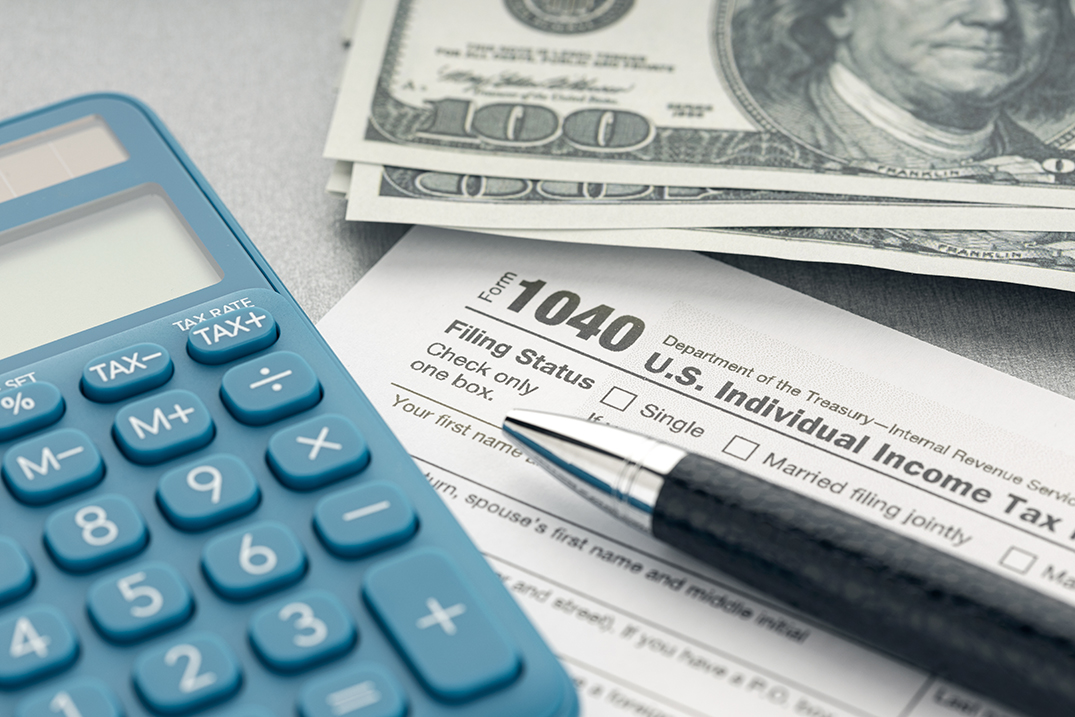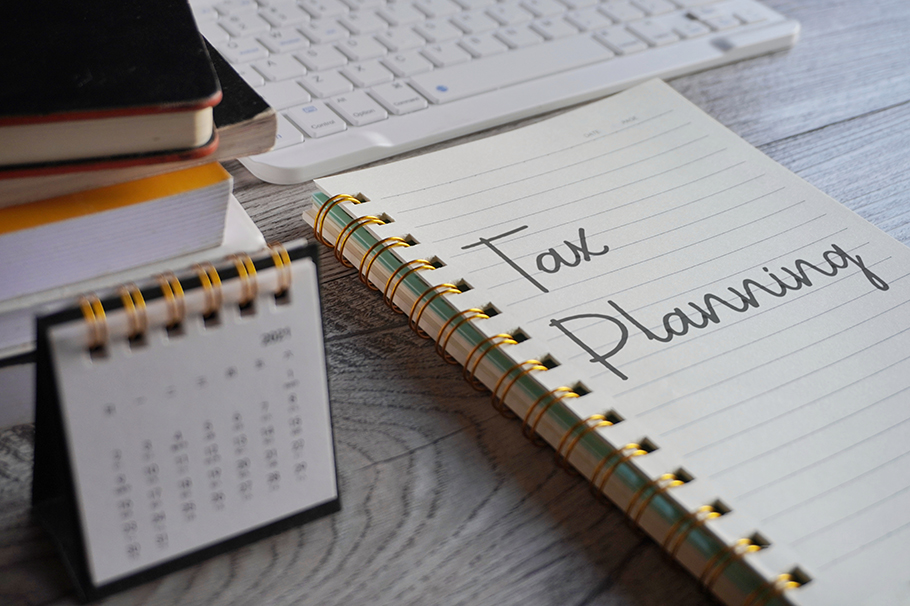

Tax season can feel overwhelming, especially when multiple forms, deductions, and deadlines start to overlap. Taking a moment for a mid-season check-in can help you stay on track and avoid common errors that may cause delays or require corrections later.
A little organization now can make the final filing process smoother, and might even reveal opportunities for greater efficiency next year.
Confirm That You Have All Necessary Forms
Missing or late-arriving forms are one of the most frequent sources of filing errors. Before submitting your return, review your paperwork to confirm you’ve received all relevant documents, including:
- Income forms: W-2s, 1099s, or K-1s for wages, contract work, or investment income.
- Interest and dividend statements: For savings, brokerage, or mutual fund accounts.
- Retirement account forms: Reporting contributions or distributions.
- Mortgage and property-related documents: For interest or property-tax information.
Double-check that names, addresses, and Social Security numbers are accurate on each form. Small discrepancies can slow down processing.
Review Digital Accounts and E-Delivery Settings
Many institutions have shifted to electronic tax documents. It’s easy to overlook a form stored in an online portal. Take time to log into your bank, investment, and payroll accounts to confirm you’ve downloaded all necessary files.
Setting reminders or email notifications for next year can help prevent last-minute searching.
Check for Common Data Entry Errors
Simple input mistakes can create complications. Before submitting your return:
- Re-enter Social Security numbers carefully.
- Confirm bank routing and account numbers for direct deposit or payment.
- Verify dependents’ information and filing status selections.
- Review totals for income, deductions, and credits.
A short review can save time and stress later if corrections or amended returns are needed.
Organize Supporting Documents
Keeping receipts, charitable donation confirmations, and medical or education expense records in one place helps streamline filing and supports potential deductions or credits.
If you use digital storage, label files clearly and back them up securely. Organized records make next year’s preparation faster and reduce the risk of missed details.
Understand Filing Deadlines and Extensions
Mark key dates on your calendar. While the federal tax deadline is typically in mid-April, those with complex filings or additional forms may consider an extension. Remember that an extension provides more time to file—not to pay—so any estimated taxes owed should still be submitted by the original deadline.
If you anticipate needing extra time, consult a qualified tax professional early to ensure all required paperwork is in place.
Avoid Rushing at the Finish Line
Filing early can help identify missing forms or potential issues ahead of time. Waiting until the last moment often increases the likelihood of oversight.
If you discover new information after filing, amended returns are possible, but double-checking before submission minimizes extra work.
Plan Ahead for Next Year
A mid-season check-in isn’t only about this year; it’s also a chance to improve future organization. Consider keeping a folder or digital file labeled “Next Year’s Taxes” where you can drop receipts, donation letters, and key documents throughout the year.
Reviewing your withholdings or estimated payments once filing is complete can help align your approach and reduce surprises next season.
Mid-Tax-Season Check-In: Final Thoughts
Tax season doesn’t have to be stressful. By pausing mid-way to review documents, verify information, and confirm deadlines, you can make the process smoother and more accurate.
Preparation today helps create efficiency tomorrow by turning what feels like a once-a-year task into an organized, repeatable routine.
Sources:
- [1] https://www.nerdwallet.com/taxes/learn/how-to-get-tax-extension-online
- [2] https://www.investopedia.com/why-file-taxes-early-11680771